

Aluminum avoids red rust, weighs less than comparable steel skin and needs less recurring anti-rust maintenance. The polyurethane composite construction also provides thermal and acoustic separation that ordinary single-skin steel roofing does not provide by itself.
In this guide
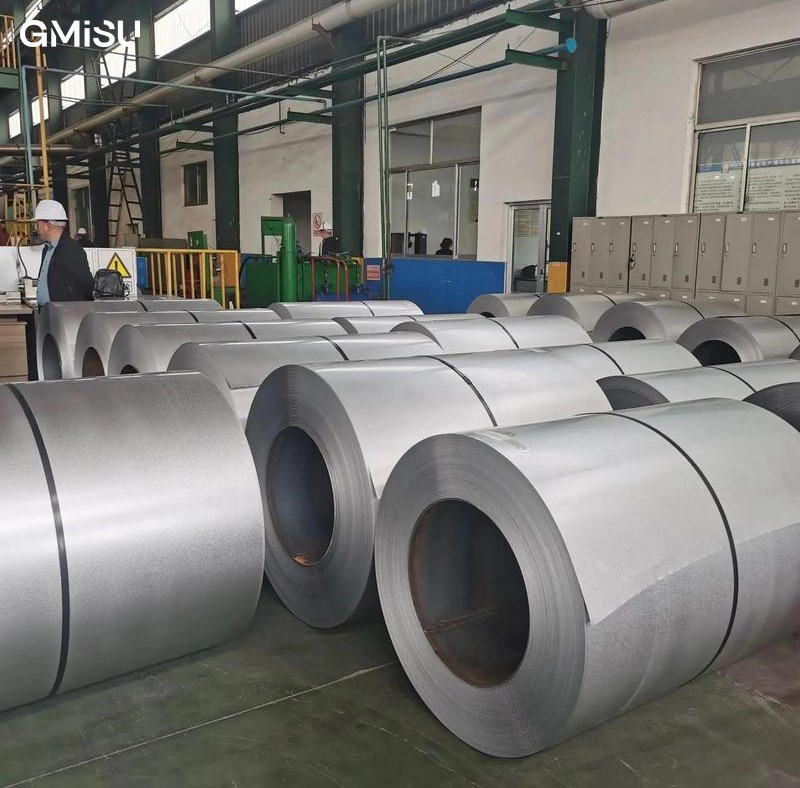
Material-system comparison
| Factor | Insulated aluminum roofing | Ordinary galvanized steel roofing |
|---|---|---|
| Corrosion | Does not develop red rust in the same way as ordinary steel and performs well in humid, coastal and salt-spray environments | Protective coating condition is critical and damaged areas can develop red rust |
| Weight | Lighter aluminum skins support easier handling and lower roof dead load | Comparable steel skins are heavier |
| Thermal and acoustic separation | Polyurethane composite core limits heat transfer and sound transmission | Single-skin sheets provide limited insulation without additional layers |
| Maintenance | Lower recurring anti-rust maintenance requirement | May require coating inspection and anti-rust maintenance |
| Recycling | Aluminum is recyclable | Steel is also recyclable, subject to coating and collection systems |
Why coastal and humid projects often prefer aluminum
Salt spray, condensation and persistent humidity challenge exposed metal roofing. Aluminum's natural corrosion behavior makes it a strong choice where ordinary galvanized steel would require closer coating maintenance.
Correct flashings, fasteners, sealants and drainage are still essential. Corrosion-resistant material does not remove the need for a properly detailed roof assembly.
Durability and maintenance planning
- Exposure
- Specify alloy, coating, compatible fasteners and drainage for the actual site, especially where salt or industrial contaminants are present.
- Order terms
- Obtain the applicable coating maintenance instructions and written warranty terms. A material comparison does not establish a fixed service life or universal percentage improvement.
Compare complete systems, not sheet price alone
A procurement comparison should include insulation layers, structure, installation time, corrosion protection, future maintenance, accessories and service life rather than comparing only the initial price of the metal skin.
Comparing aluminum and steel sandwich roof panels fairly
Compare insulated aluminum roof panels vs steel sandwich panels using matched coverage, core construction, skin specifications, coating and delivery scope. Galvanized or color-coated steel should be assessed with its actual protective system, not as bare steel. Aluminum also needs compatible fixings and a finish suitable for the exposure.
Equal nominal height or metal thickness does not establish equal load capacity. Obtain the relevant support and connection assessment for each option. Include accessories, installation, maintenance requirements and written warranty exclusions in the comparison instead of assuming one metal is the best choice for every building.
Confirm the right panel and specification with GMiSU.
Send your drawings, dimensions, quantity, color, destination and target schedule for project-based recommendations.