

In this guide
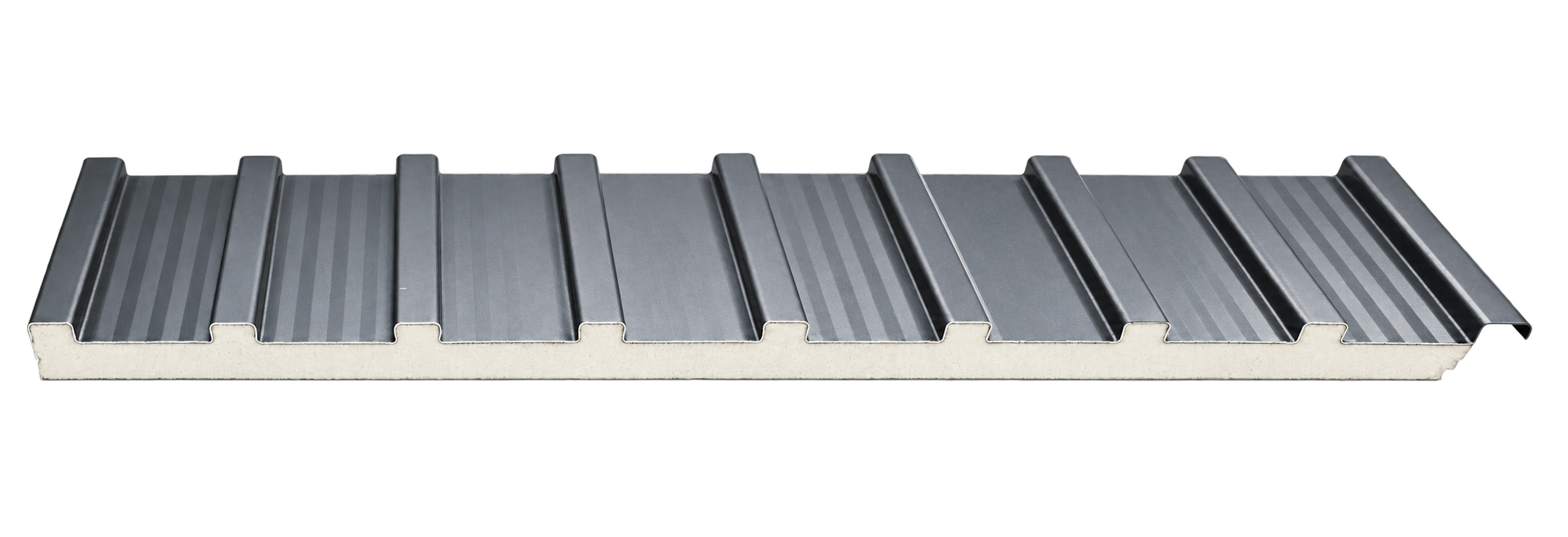
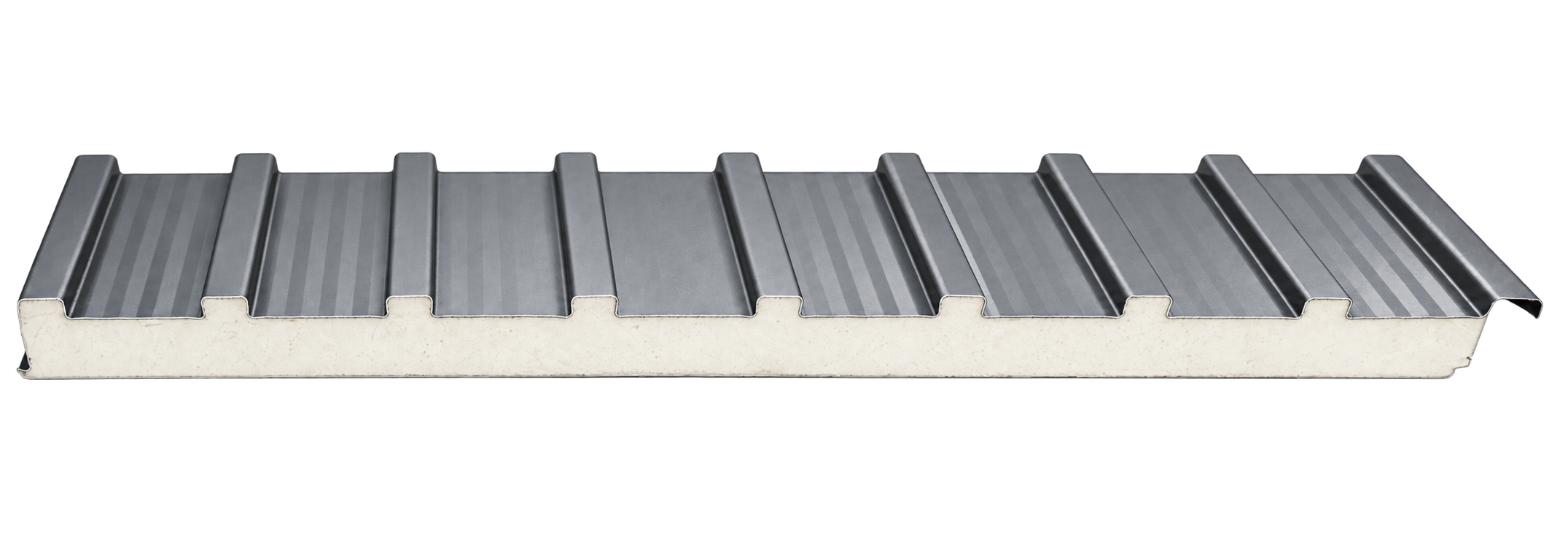
What the dimensions mean
45 mm and 65 mm describe the overall profile height from the bottom face to the crest. The valley-area core has a nominal design thickness of approximately 20 mm and 40 mm respectively. These are design dimensions, not individual sample measurements. Compare panels with the same aluminum skins, coating and core formulation to isolate the effect of thickness.
When to consider 45 mm
Open carports, covered walkways and ventilated storage areas do not have the same temperature-control requirements as enclosed rooms. The 45 mm profile is a starting point for buyers balancing roof coverage, insulation and budget. Even in a hot climate, an open canopy does not automatically need the thickest panel.
When to consider 65 mm
Enclosed air-conditioned rooms, workshops and sunrooms give more weight to heat transfer through the roof. The deeper core makes 65 mm a candidate for these projects. Actual energy use and indoor sound also depend on glazing, ventilation, joints and the complete building assembly; panel thickness is not a guaranteed percentage improvement.
Compare the delivered specification
Allow an indicative material-price difference of 12-18% for equivalent configurations. It is not a standing quotation. The thicker profile also occupies more shipping space. Ask for a panel schedule and packing plan before comparing the delivered cost per square metre.
Panel U-value, R-value and skin thickness are different checks
When comparing 45 mm vs 65 mm insulated roof panels, request the cross-section and identify overall profile height, valley core depth and both aluminum skin thicknesses separately. Clarify whether a skin measurement includes its coating. A single thickness number cannot describe all of these properties.
R-value describes thermal resistance; U-value describes heat transfer through the stated construction. Higher R and lower U indicate better insulation on the same assessment basis. Do not compare an insulation-only value with a complete panel or roof assembly value. Thermal information also does not establish a safe structural span.
Confirm the right panel and specification with GMiSU.
Send your drawings, dimensions, quantity, color, destination and target schedule for project-based recommendations.